Process & material
FDM and Resin 3D Printing Materials
DDA offers FDM and resin 3D printing. The best fit depends on the geometry, size, appearance, and conditions the part will face.
FDM
Filament printing
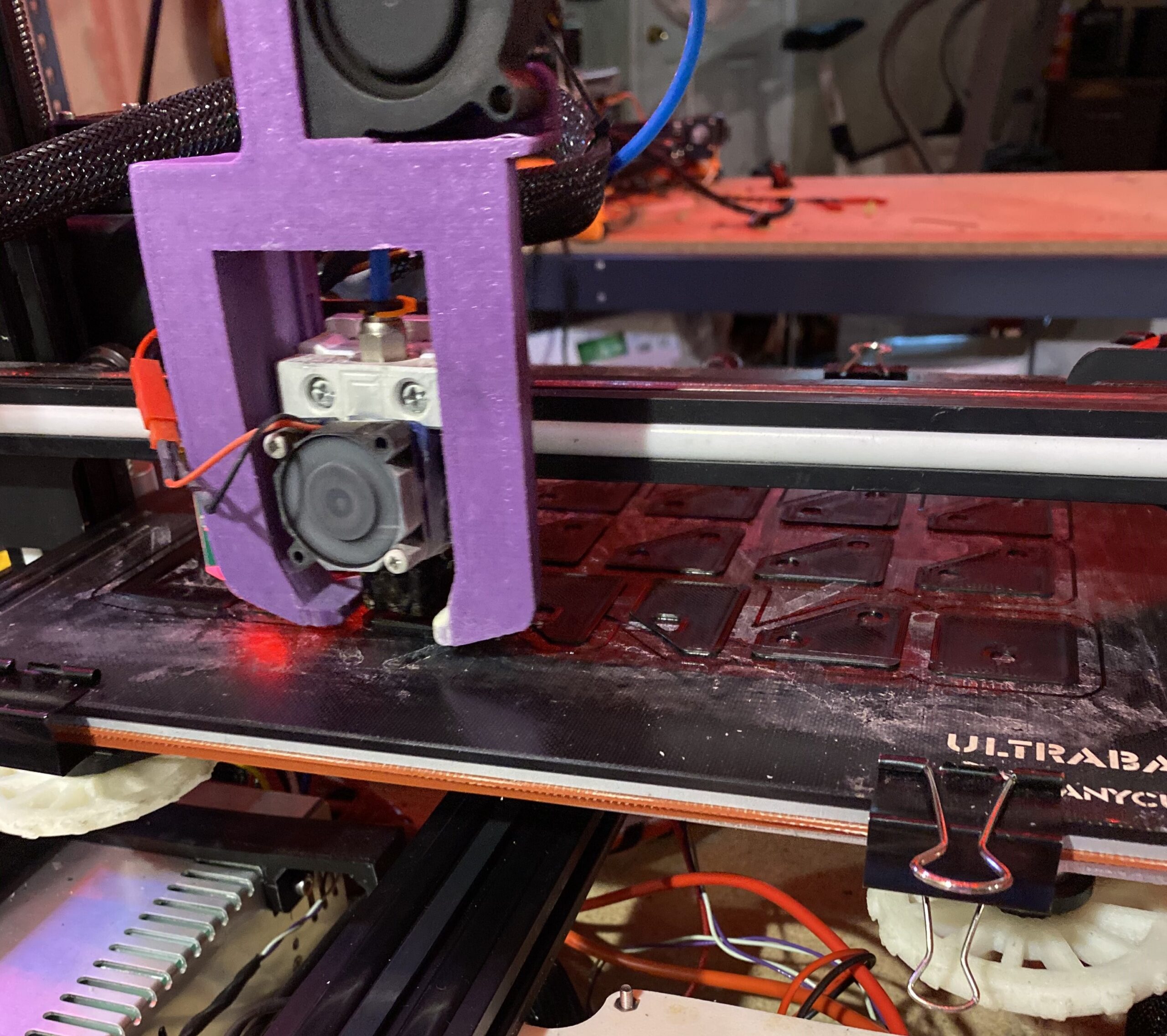
Plastic filament is deposited in layers. A useful route for many prototypes, functional components, models, and small production runs.
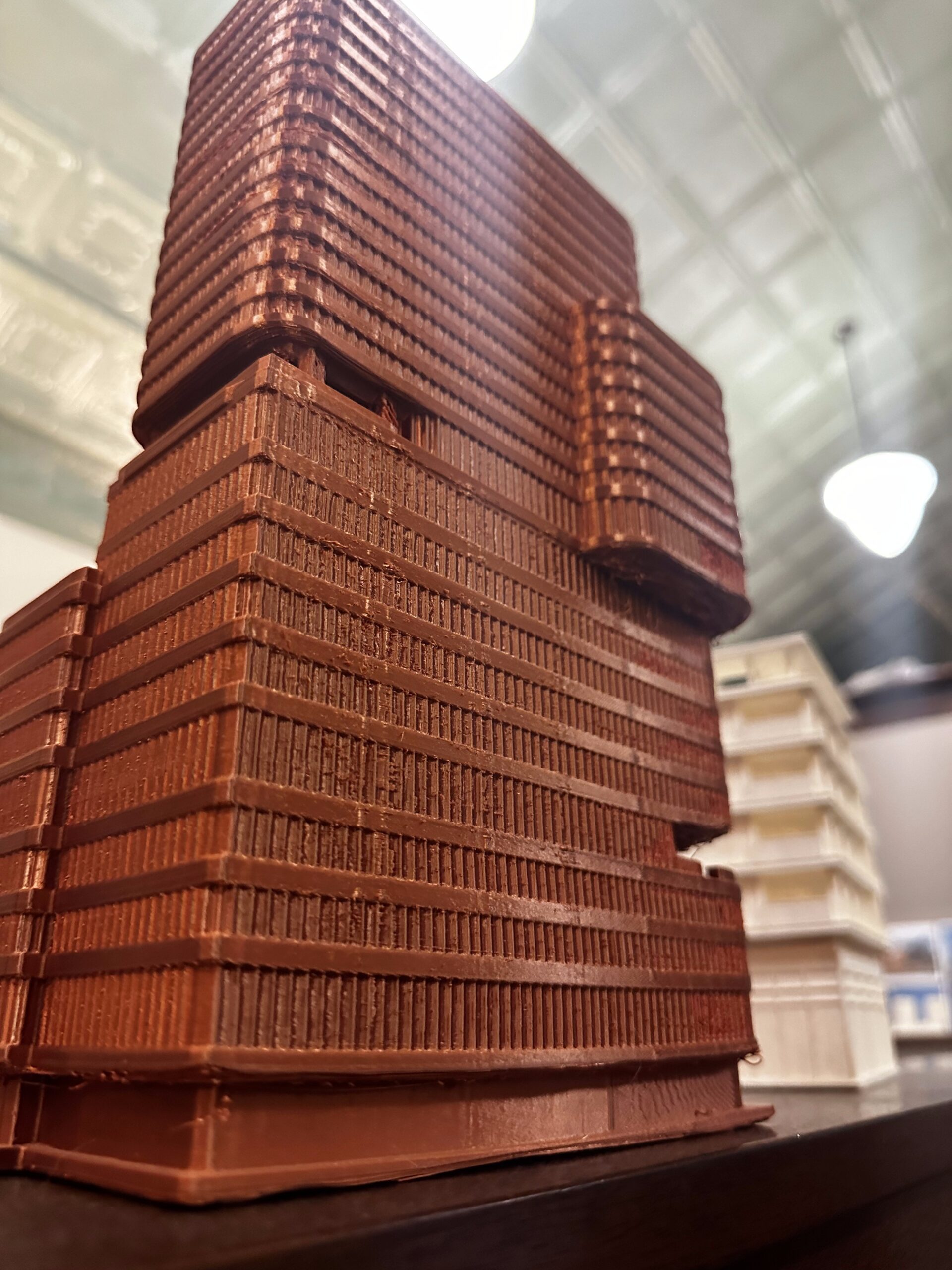
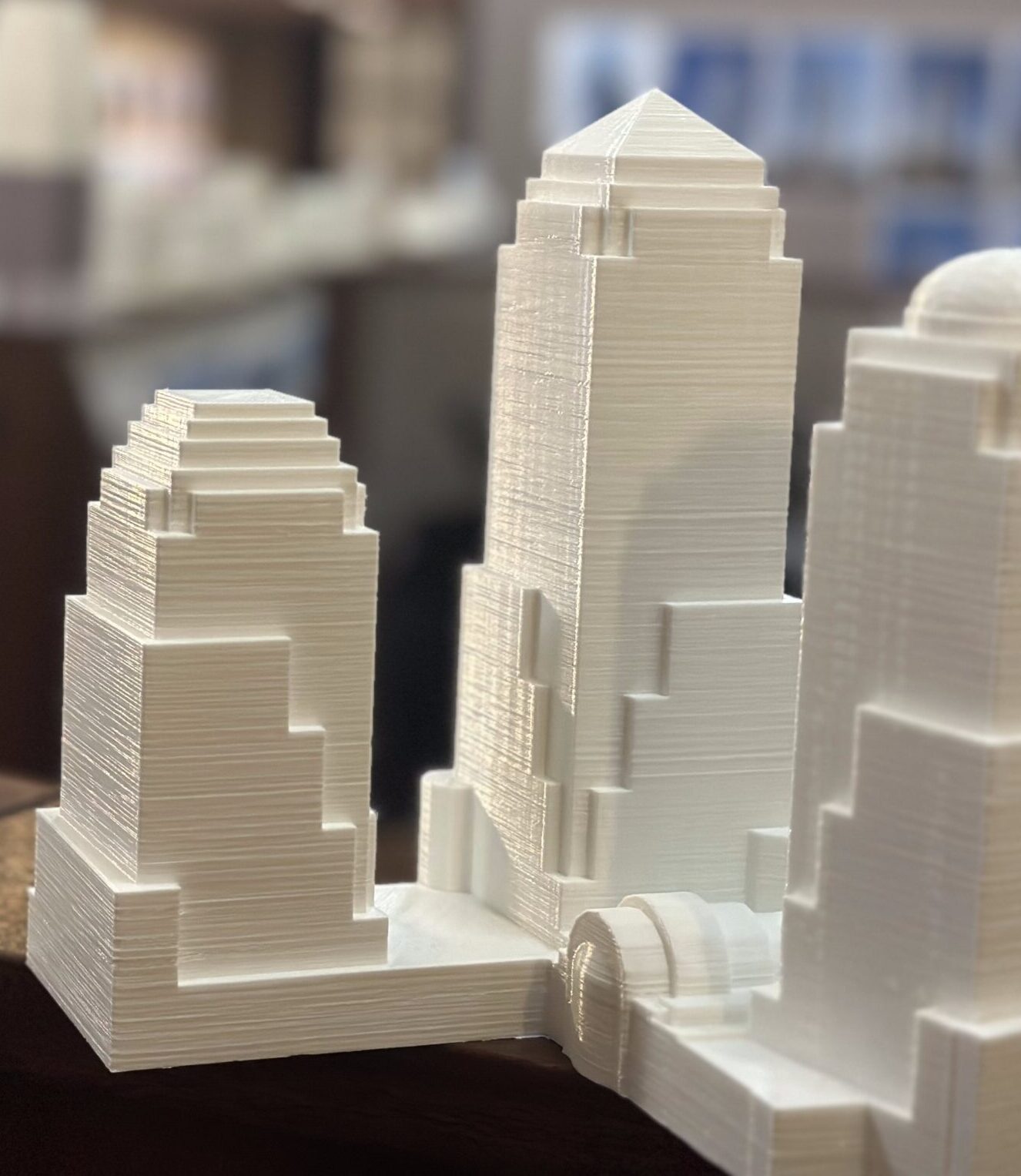
Discuss visible layer lines, load direction, and features that need support.
RESIN
Resin printing
Light cures liquid resin into a solid part. Consider it for fine features and detailed models when the resin’s properties suit the application.
Discuss fragile details, support marks, and the behavior required from the finished part.
Choose material for the job.
Does it need to resist heat, sunlight, impact, or repeated bending? Does its fit need to hold as temperatures change? Tell us the conditions it will face. We can discuss strength, flexibility, weather resistance, and dimensional stability before choosing a material.
- PLA
- A common choice for visual models and early prototypes.
- PETG
- A versatile option for general-purpose functional parts.
- ABS
- A widely used plastic offering toughness, impact resistance, and better heat resistance than PLA.
- ASA
- A more specialized choice for outdoor parts, with UV and weather resistance alongside properties similar to ABS.
- TPU
- For parts that need to flex, cushion, or grip.
- Nylon / PC / fiber-filled plastics
- Options for more demanding applications. The specific grade, part geometry, and operating conditions guide the choice.
- Resins
- Formulations offer different balances of fine detail, rigidity, toughness, and flexibility.
- Specialty finishes & other materials
- Interested in silk-look, wood-filled, metal-filled, or another filament? Send the material name or the effect you want and we can review suitability and availability. Metal-filled filaments are plastic composites, not solid-metal printing.
Other materials are welcome for review. Specific grades, colors, and availability are confirmed with your quote.